Leonardo Verkoelen
February 2, 2026


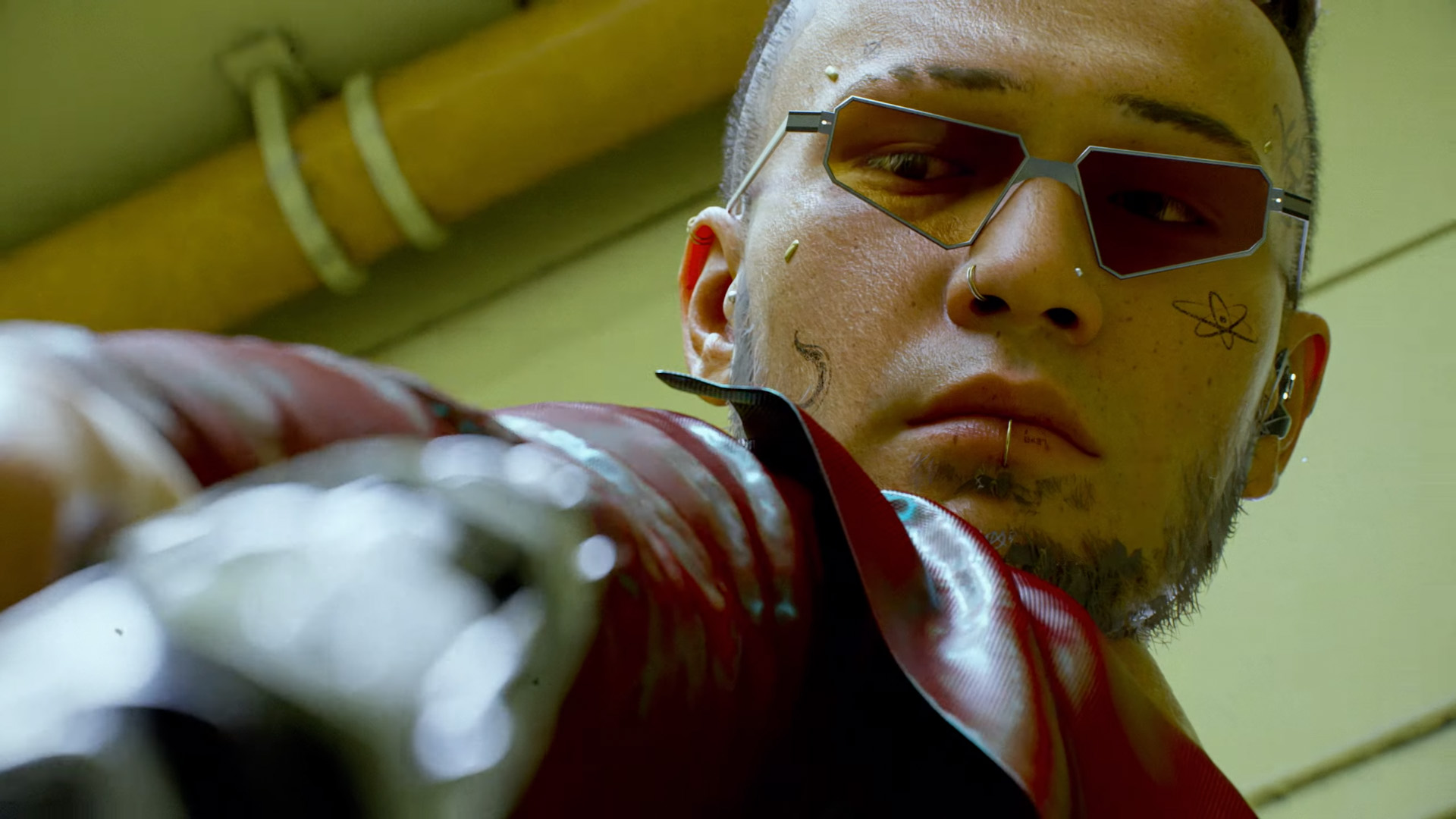


Hello Taehoon! It’s amazing to have you here on our Artist Spotlight. Could you please introduce yourself?
Hello. I’m Taehoon Park, an artist who looks at the world from various perspectives and expresses them in a fun way through AI.
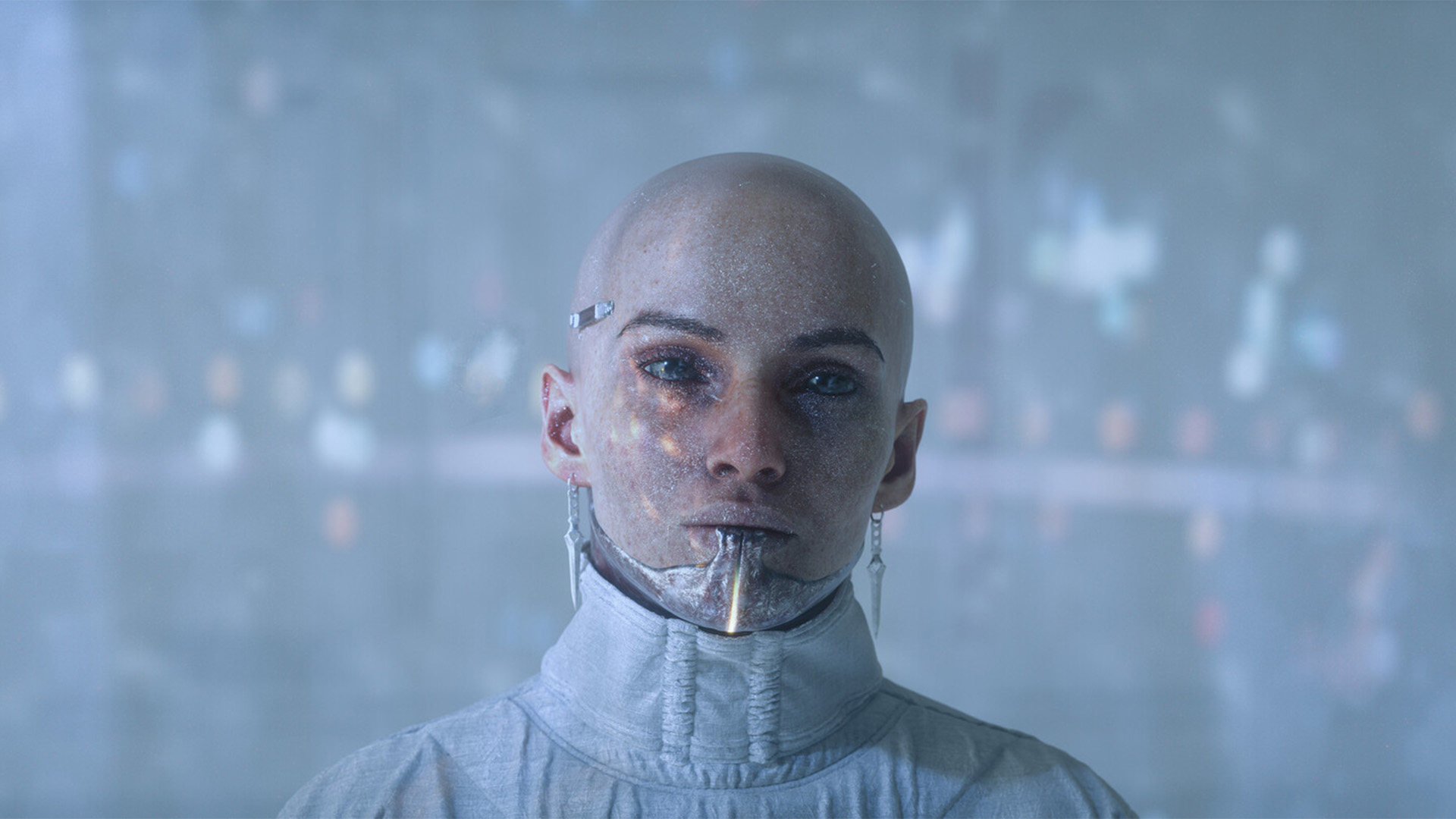
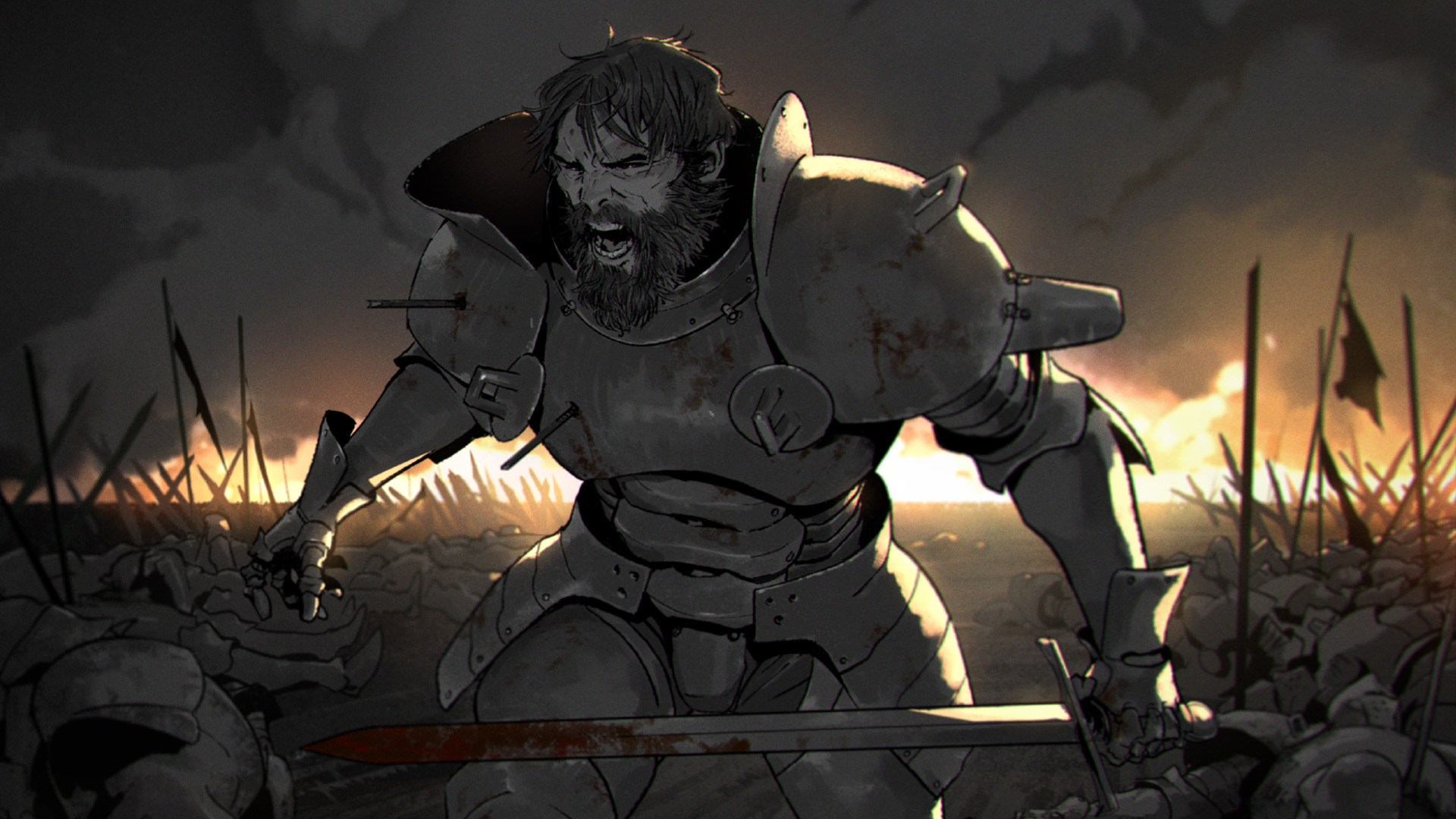
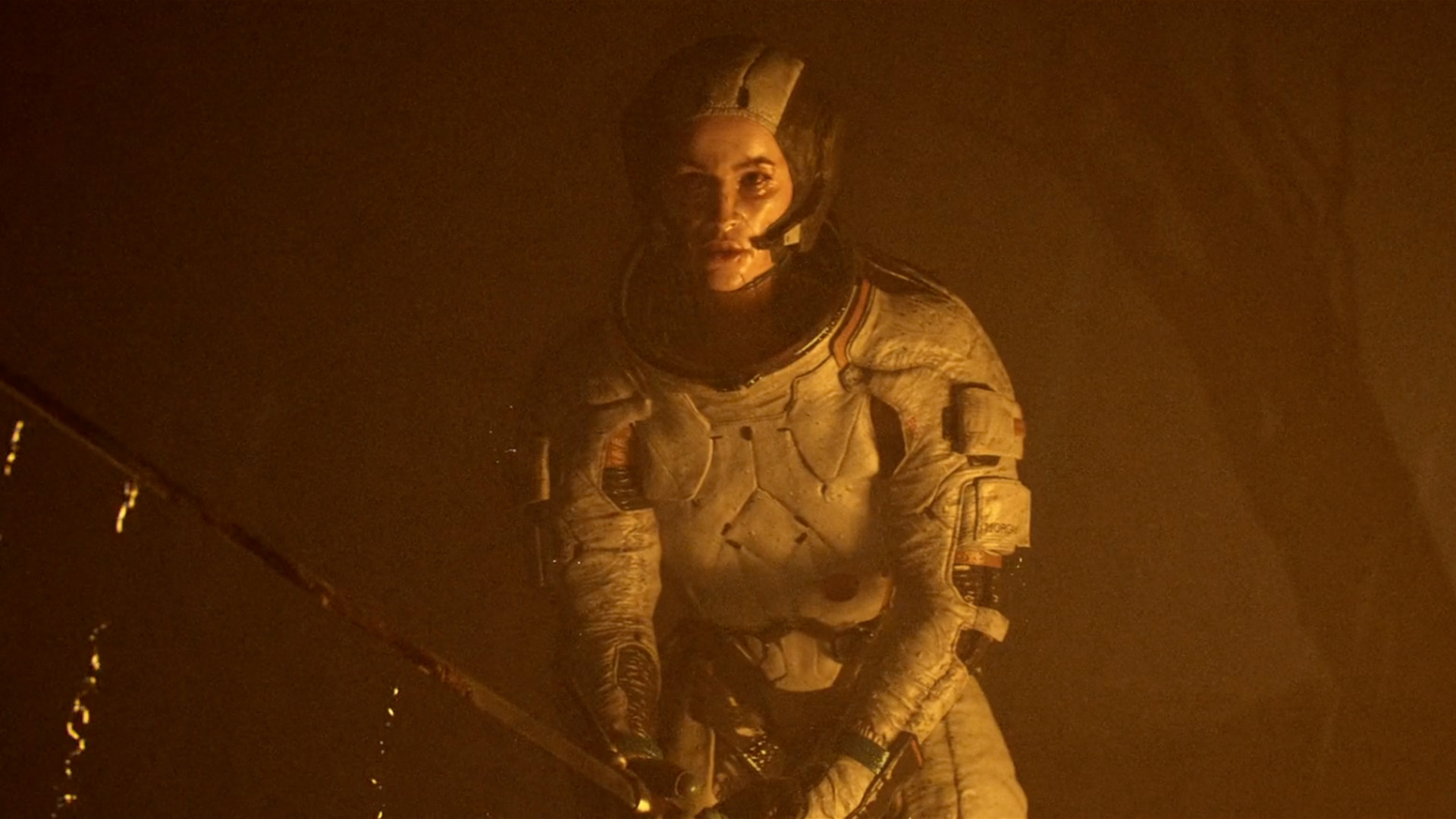
Your work for Parallel TCG is absolutely incredible. Each card-artwork is so rich in world-building and visually striking.
Could you give some insight into the process behind making these artworks with the Parallel team? From concept to final render.
It’s already been six months since I left Parallel, so my memory isn’t perfectly clear, but I’ll share what I remember.
Parallel is a game company with many different teams involved in game development. I was part of the Art Team, responsible for card art.
When the story team prepared brief descriptions of the cards that needed to be created, artists would choose the cards they wanted and design them freely in their own style.
The production timeline was seven days, excluding weekends.
Oh wow, that’s a pretty streamlined production then.
Which Parallel TCG artwork you’ve made is your personal favourite?
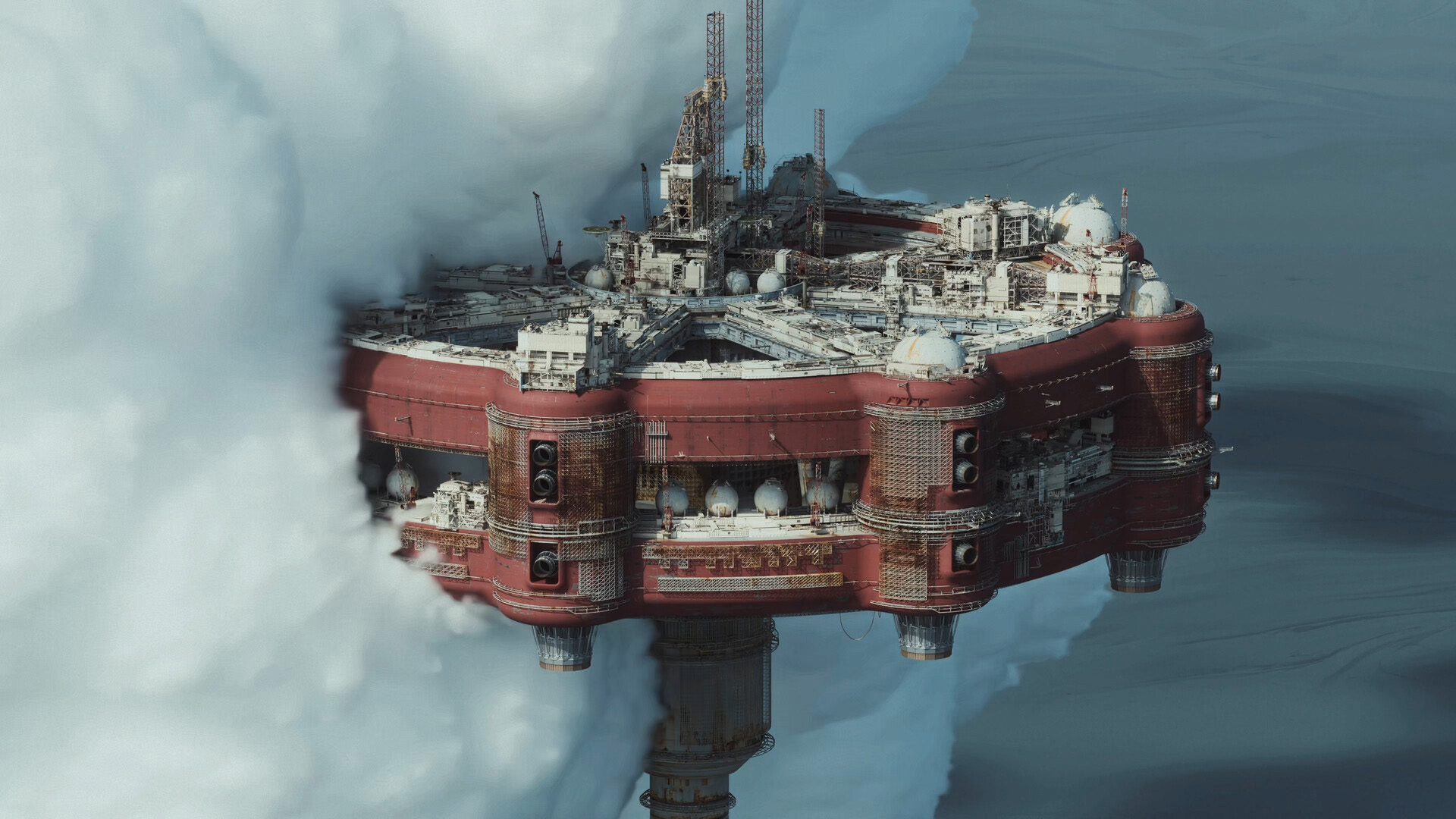
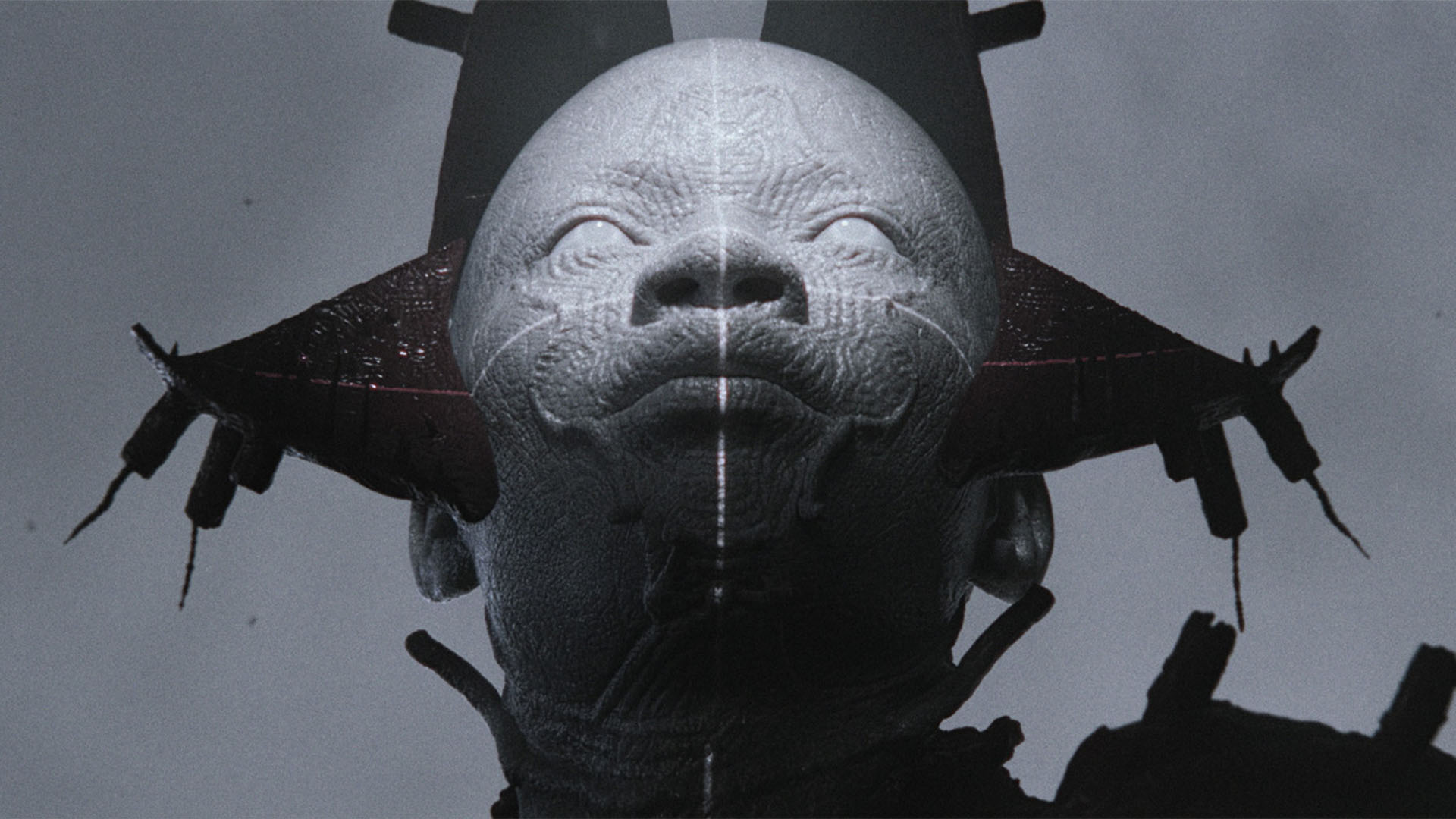
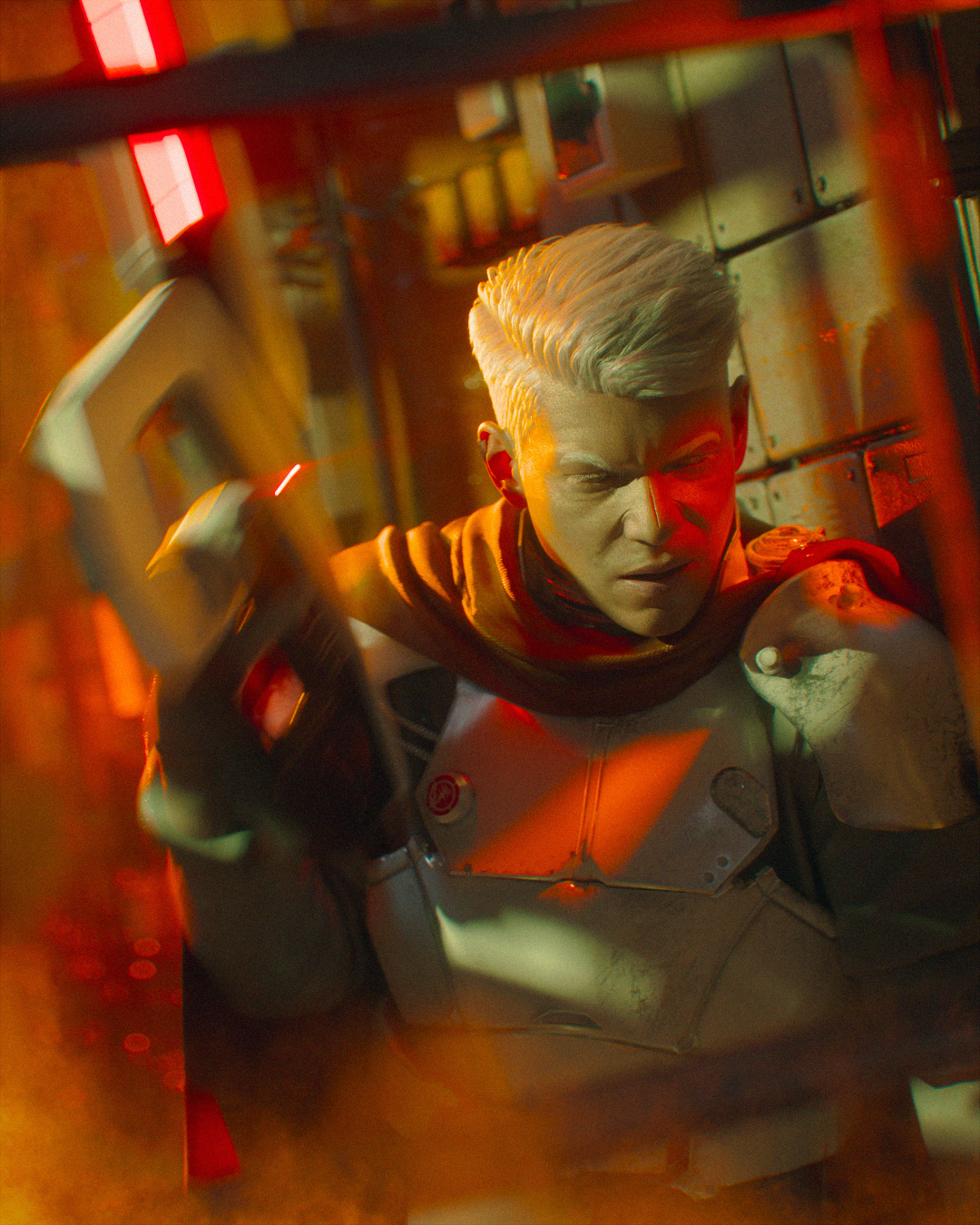
It would probably be Black Market Fixer, which received the most love. At the time, I was drawn to the dystopian sci-fi atmosphere of the Ghost in the Shell anime, and I used one of its scenes as a motif.
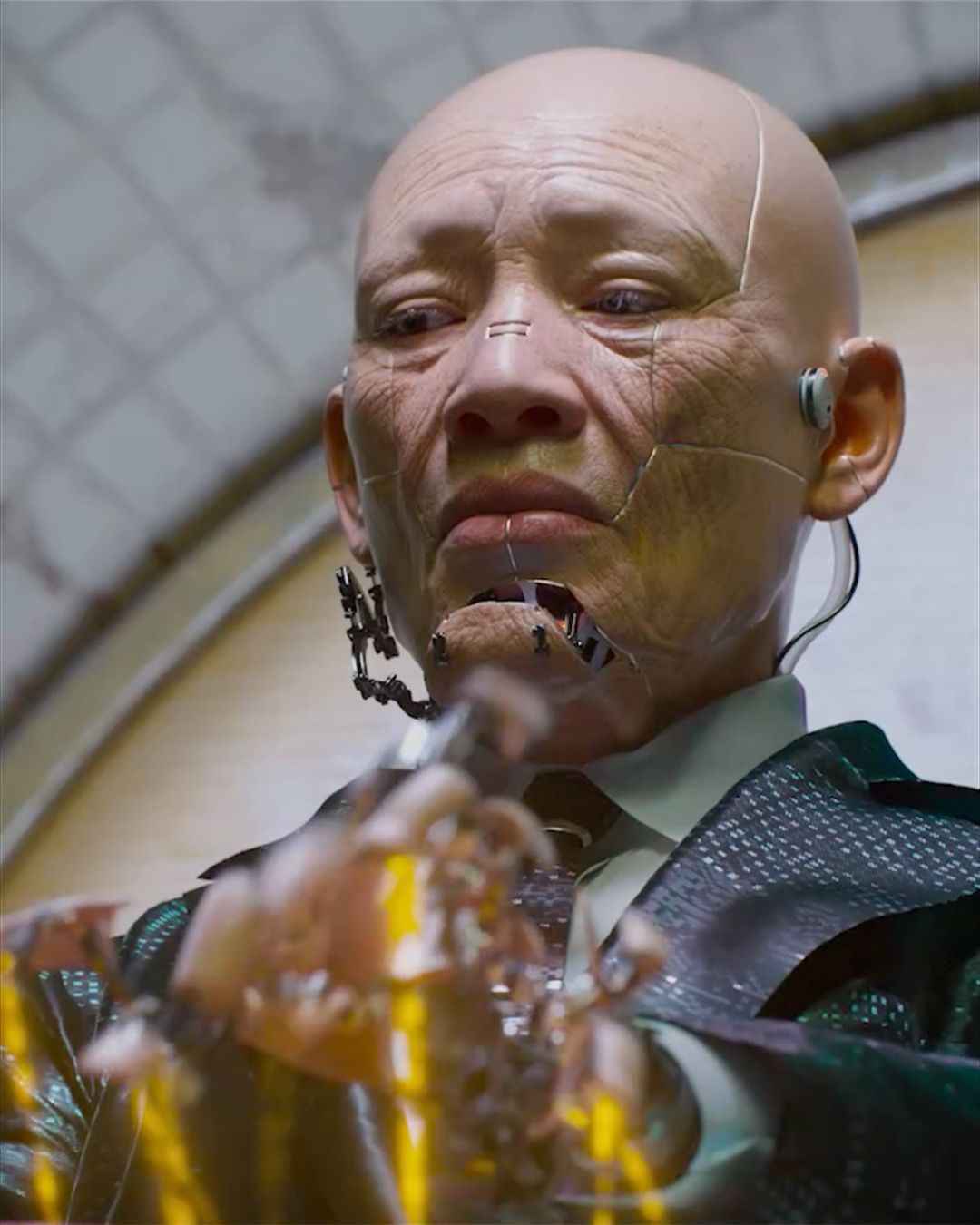
That one is beautiful. Were there any specific technical and artistic challenges to make this artwork a reality?
No, there weren’t.
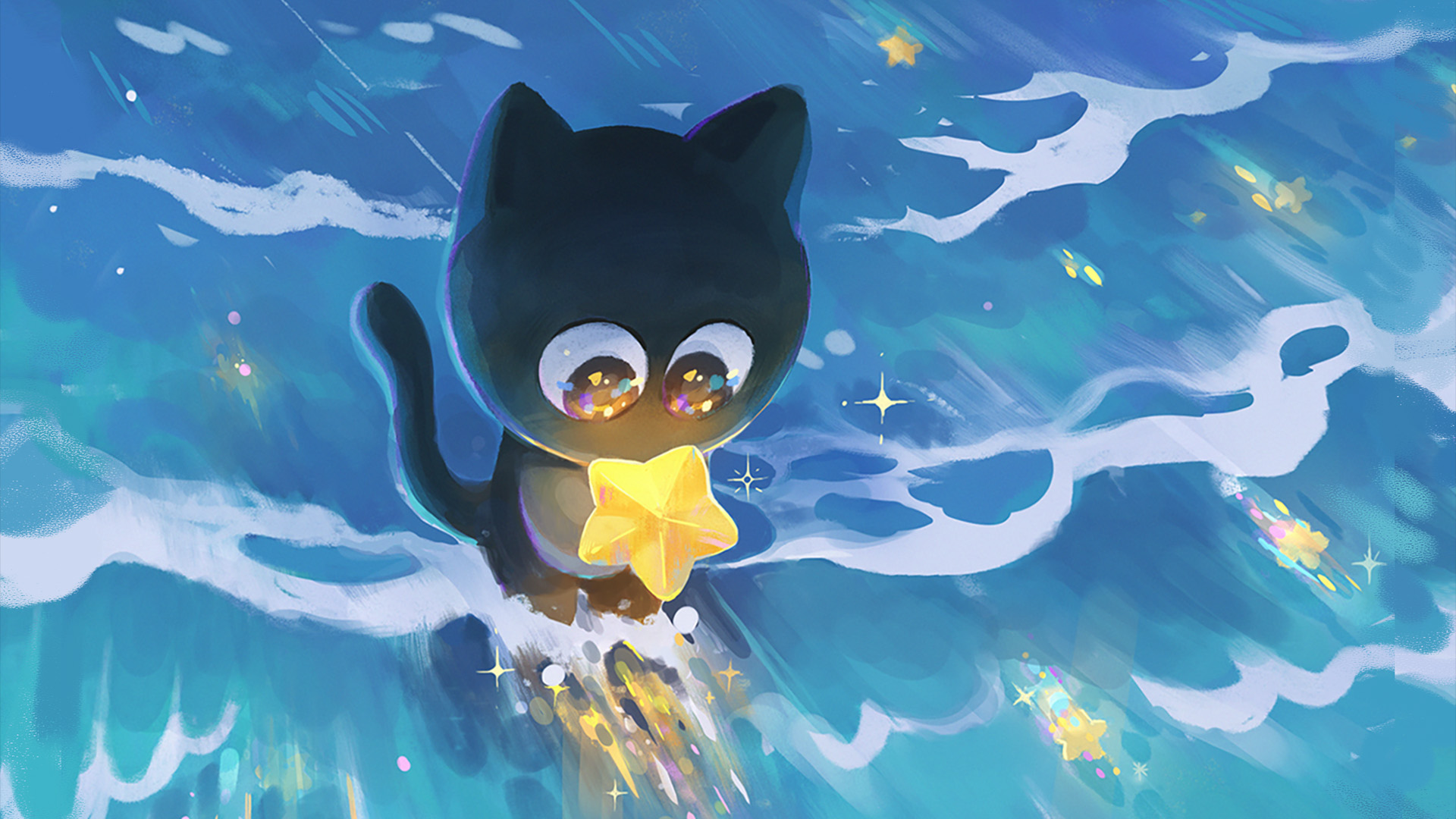
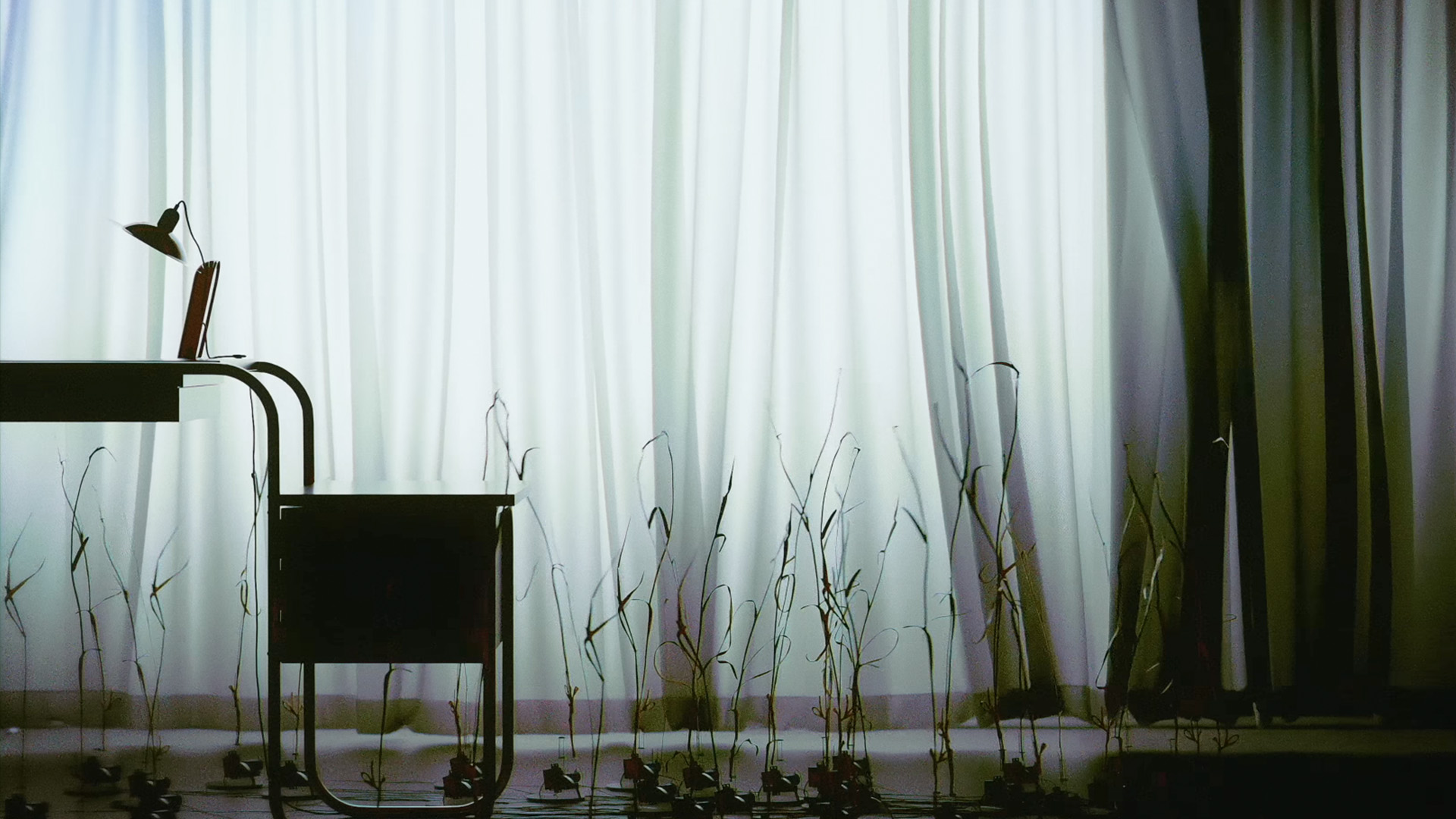
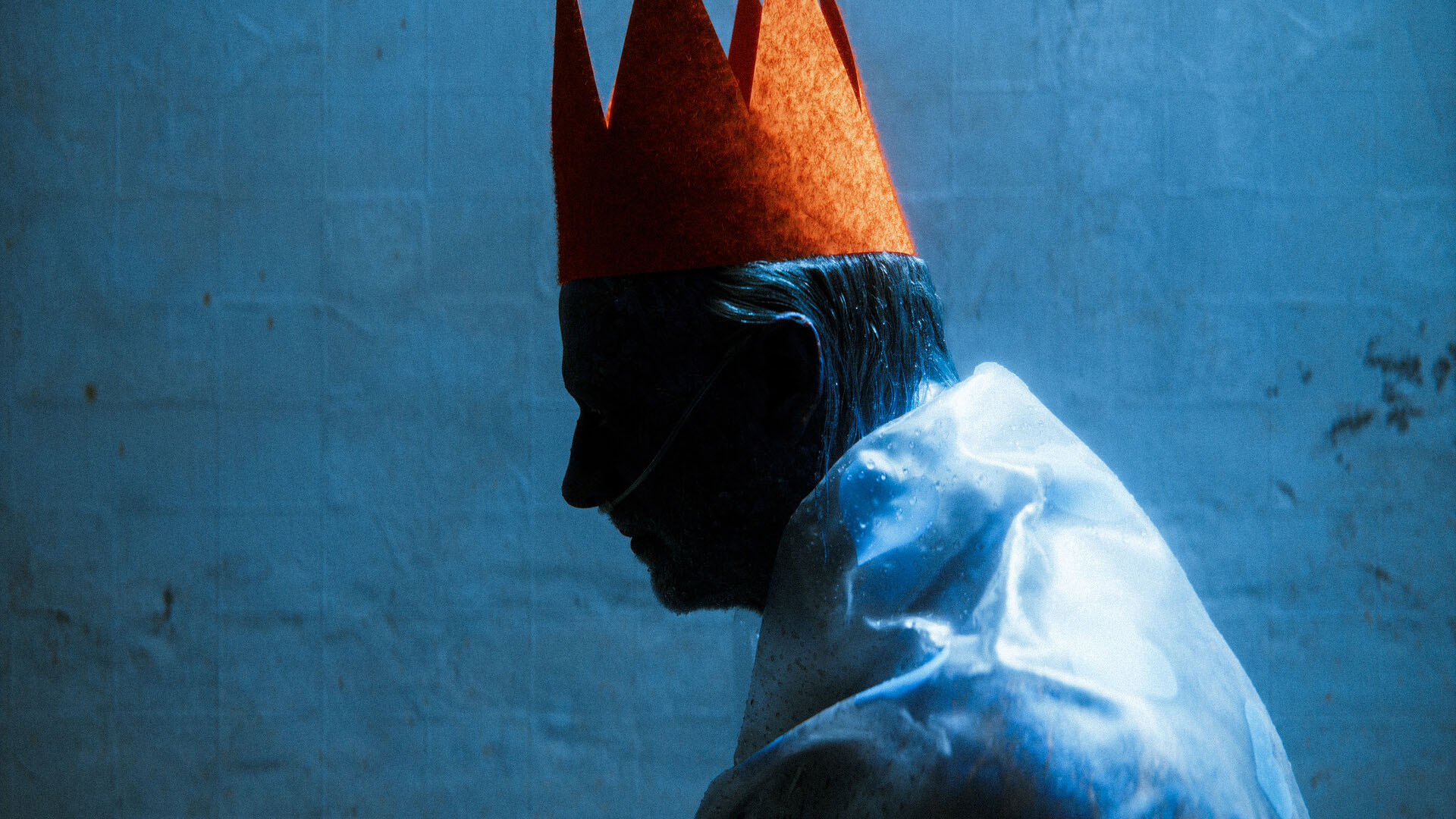
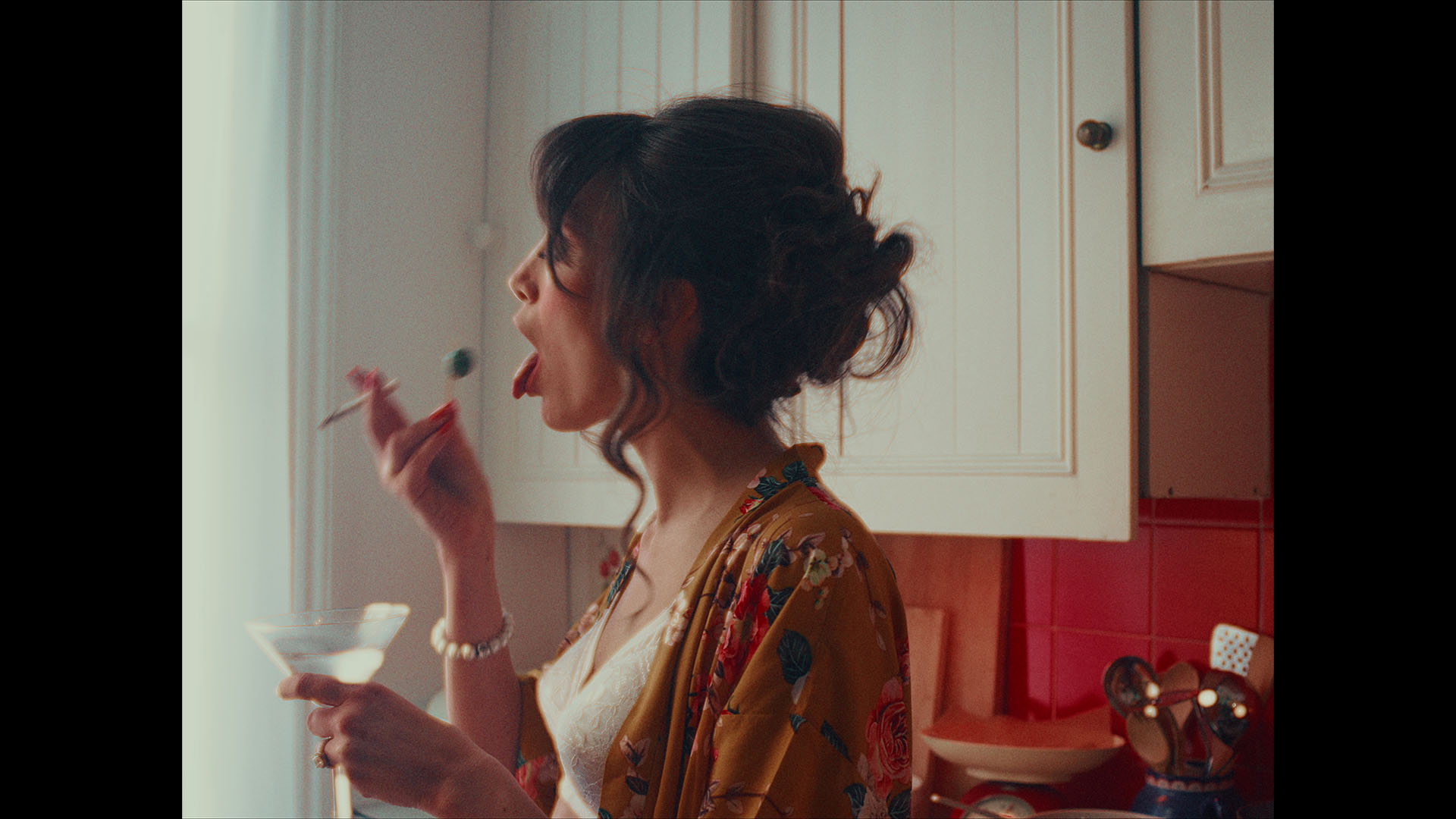
From your earlier pieces like Dreaveler, 0110 and WAI, to your work at Parallel and Gen AI work, there is a beautiful evolution in how you express your vision.
How important is experimentation in your workflow?
Experimentation is an essential value not only in my work, but also in my life and daily routine.
Rather than focusing on winning or losing, gains or losses, I prefer approaching things with curiosity—testing different ideas, accumulating experiences, and finding results that suit me. In a way, that journey itself might be life.

That’s a good way to think about it.
What questions do you ask yourself before starting a new piece?
Honestly, I don’t really ask myself anything.
Sometimes I work in an intense, almost feverish state depending on my condition, and other times I reuse ideas simply because I feel lazy.
Between creating art, working out and client work, how do you strike a balance? Do you have a rigid daily schedule?
At the moment, I’ve deliberately stepped away from client work in order to prioritize creation, exercise, and my daily routine.
My days follow a very consistent routine.
I wake up at 5 a.m., have breakfast at 6, walk my dog at 8, do CrossFit at 9:30, and eat lunch around 11:30.
In the afternoon, from 1 to 4 p.m., I focus on creating AI artwork. I work in deep concentration for about three hours, aiming to complete one piece per day. At 4 p.m., I do an hour of VR boxing. I have dinner and watch TV with my wife at 5, take my dog for another walk at 7, and wind down around 8 by playing Brawl Stars or watching YouTube. I usually fall asleep naturally while watching—sometimes dropping my phone on my face. That’s when I know it’s time to sleep. I fall asleep around 9:30 p.m.
I’ve maintained this routine for about two years.
So… not exactly in a position to take on client work, right? :)
Yeah, no time at all haha! That's a tight and incredibly disciplined schedule. Great that you found this routine that works so well for you.
Taehoon, how important is being in good physical shape and good health for your art?
They’re extremely important to me.
Physical health and condition directly affect mental health and mindset, which naturally influence my artwork.
On days when I’m tired or mentally off balance, I don’t even start working. Strange things tend to come out.
Looking at how fast technology is evolving, how pessimistic or optimistic are you that our shared human values will survive the next age?
I believe that the faster technology evolves, the more important human values will become.
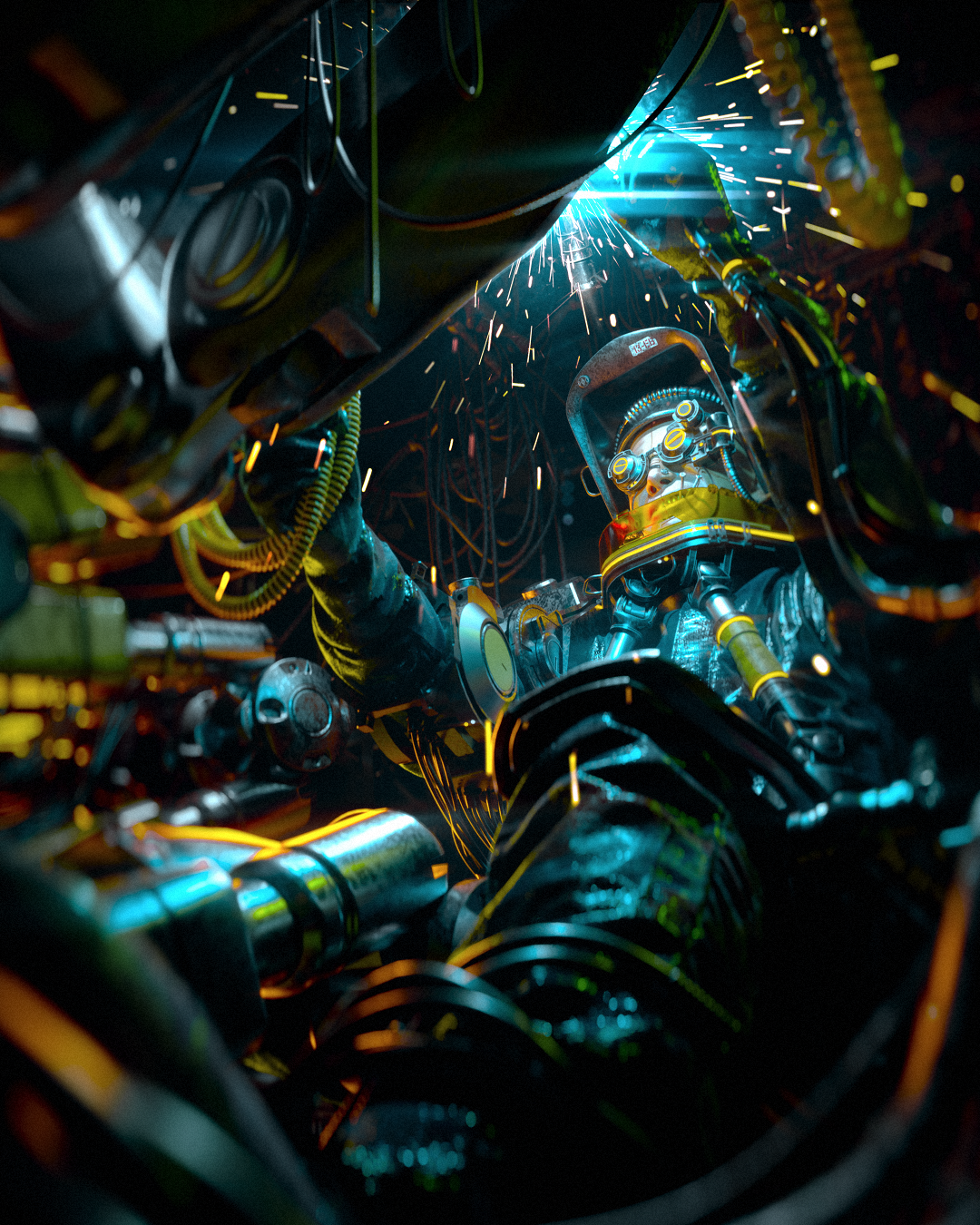
This insane technological progress—and even the very beginning of civilization that made such technology possible—originated from humans. That’s something we shouldn’t forget.
We really shouldn’t. And it’s important we’re reminded daily of that.
You seem to have fully embraced the creation of art through artificial intelligence. What is it about generative art that excites you?
It’s easy, fast, and fun.
With any form of generative art comes the paradoxical idea of originality.
How do you personally define originality and how important is it, really?
What is originality, really? Can we even assign a numerical score to how “original” something is?
There’s no clear answer to that question, because it ultimately depends on who is doing the evaluating.
Artists want their work to be recognized, but the standards for recognition have constantly changed over time.
Right now, we’re simply in a transitional period where those standards are shifting due to the emergence of AI, and confusion is inevitable.
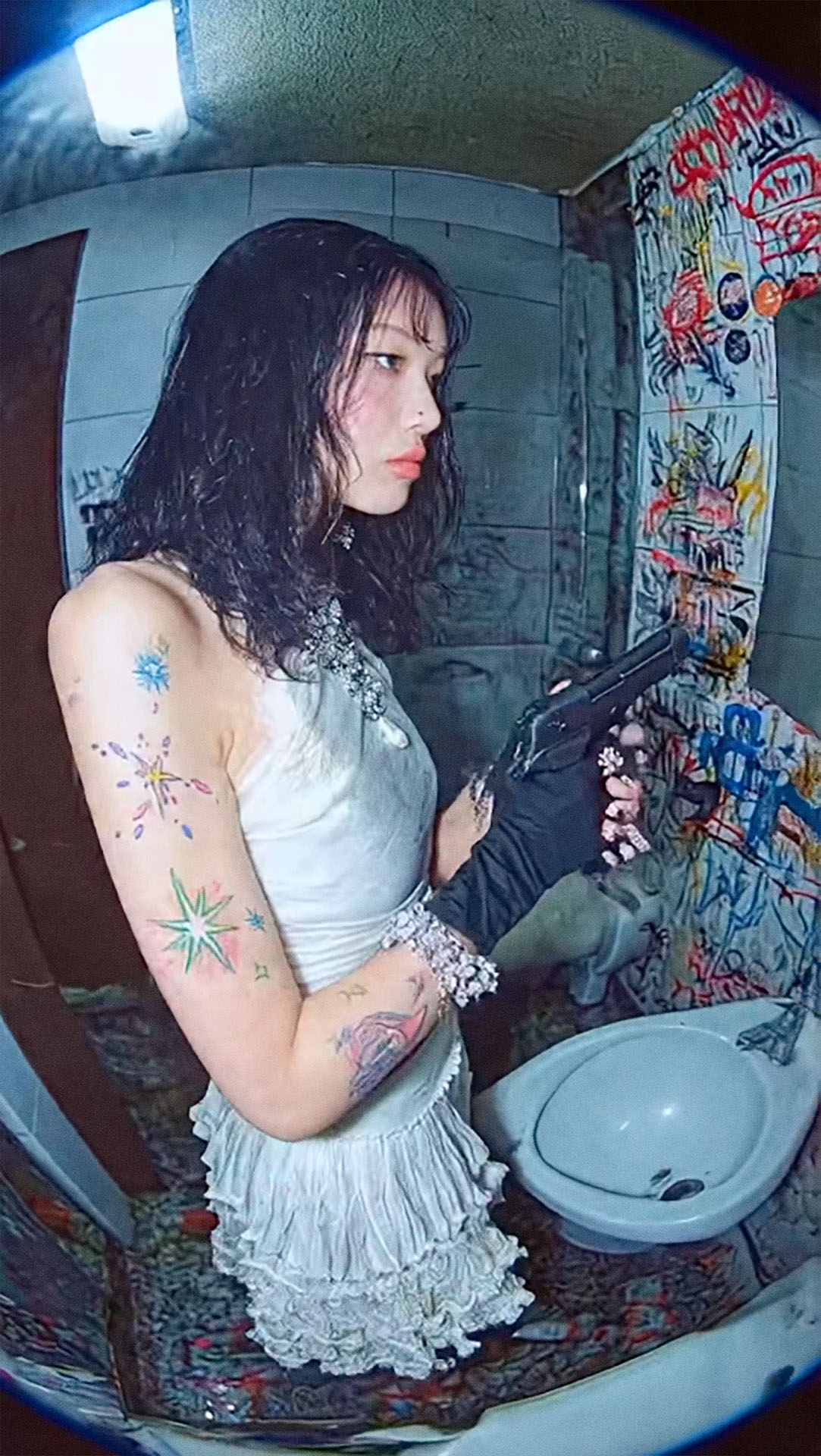
The concept of originality in the AI era will also change with time. We’re just making choices within that flow.

It brings along a highly disruptive shift. I’m sure that with time art created with Gen-AI will find its place.
Similar to how the Generative Art movement found its place many years after its inception in the 60s.
Human intent will always be universal in art. So what would you say are the visual obsessions you keep coming back to?
I’m obsessed with the rarity of a piece.
I’m especially cautious about creating work that feels familiar or “already seen.” To avoid that, I intentionally limit how much I look at other artists’ work.
What does “perfection” mean to you?
I think perfection in art is an illusion.
Unlike math, art doesn’t have a single correct answer, so artists inevitably rely on subjective evaluations.
Sometimes we’re swayed by those judgments, and other times we use them as opportunities for growth.
In the end, perfection for an artist might simply mean being satisfied with one’s own work.
That’s a good way to look at it. Taehoon, if you could time-travel and give your younger self one tool, what would it be?
I’m not sure.
The person I am now is the sum of all my past experiences, and I’m very satisfied with where I am. So I don’t really feel the need to go back and change anything.
What about your main artistic drivers? What keeps you pushing to create new and better work?
My family, and my curiosity about the world.
How much of your work are we seeing? Are you creating lots of work outside of what you post on social media?
None.
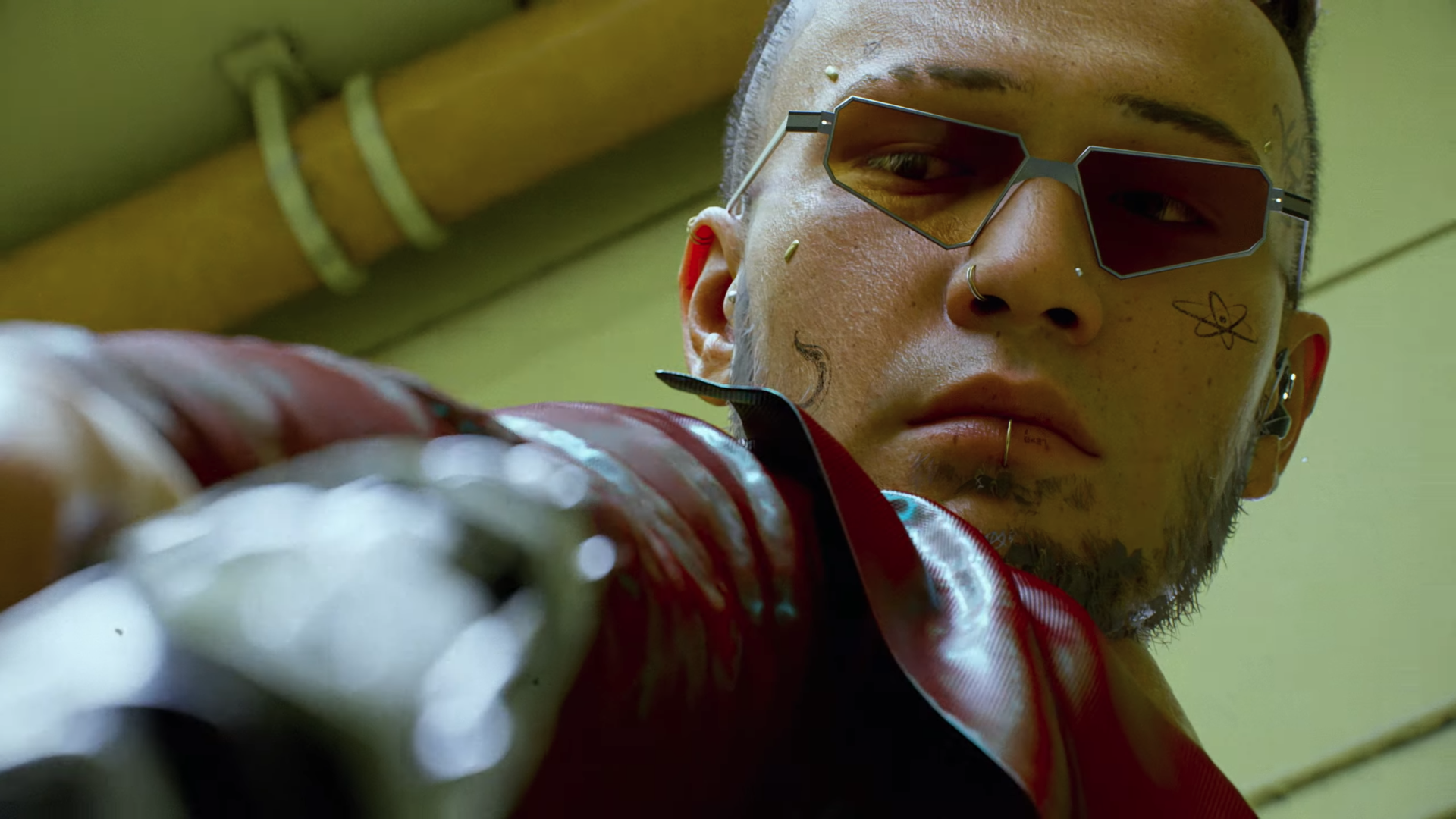
I aim to be transparent with my work, and I see it as something that gradually fills in the history of my life.
The ultimate archive of creativity. What kind of advice would you give to someone thinking of a career in Art and Design?
There is always a new generation taking their first steps into this adventure.
Start lightly.
Unless you actually try something, you can’t know whether it suits you, whether it’s enjoyable, or whether it’s sustainable.
The more grand your plans and the higher your goals, the harder it becomes to start. Those who work hard can’t beat those who genuinely enjoy what they’re doing. When enjoyment itself is the goal, winning or losing doesn’t matter as much.
Just start.
Then check in with yourself after three days, three weeks, and three months. This kind of practice builds resilience and immunity—qualities that help you stand back up no matter how fast or unpredictable the world becomes.
I think that’s a very valuable perspective. If the uphill battle seems way too steep from day one, many people might not attempt climbing it. A career in art is definitely a marathon and not a sprint.
Well, that’s already it Taehoon! Thanks so much for being a part of this!
As always, we like to end the Artist Spotlight with a personal recommendation from the artist. Any good films, books, habits, or anything else you’d like to recommend to the reader?
Exercise. Health.


Explore the Artist Spotlight


Receive a weekly briefing on what’s being built inside Blauw Films.
If you’re ready to start Dreaming in Blauw[1], leave your details below:
By entering your email, you agree to receive a curated newsletter from Blauw Films.
[1]: Dreams of Blauw are any form of crystallised thought based on honest expression. Sometimes they linger a shade of blue in your after-image.